

Best Consulting Website Designs for Professional Service Firms
The best consulting website designs do more than look professional. They build trust, explain expertise clearly, and guide potential clients towards making an enquiry or booking a consultation.
For consulting businesses, the website often acts as the first credibility check. Before a prospect speaks to you, they usually assess your positioning, experience, services, case studies, testimonials, and overall professionalism online.
The best website design for consulting business should focus on:
- clear value proposition;
- professional brand presentation;
- easy-to-understand services;
- strong trust signals;
- case studies and results;
- simple enquiry journeys;
- mobile-friendly UX;
- fast loading speed;
- clear calls to action.
A strong consulting website should make it easy for visitors to understand who you help, what problems you solve, why you are credible, and what step they should take next.
Why Consulting Website Design Matters
Consulting websites are different from ecommerce, portfolio, or brochure websites. Their main goal is not simply to display information. They must communicate authority, reduce uncertainty, and convert high-intent visitors into qualified leads.
Potential clients often visit consulting websites when they are comparing providers, researching expertise, or looking for a partner they can trust. If the website feels unclear, outdated, or generic, the business can lose opportunities before any conversation begins.
A high-performing consulting website helps to:
- establish credibility quickly;
- showcase expertise and experience;
- explain services in simple language;
- demonstrate results through case studies;
- build trust with testimonials;
- support SEO visibility;
- generate qualified enquiries;
- encourage consultation bookings.
1. Minimal Professional Consulting Website
Minimal consulting website design works well when clarity and trust are the main priorities. This style uses clean layouts, strong typography, structured sections, and limited visual distractions.
Best features include:
- simple hero section;
- clear value proposition;
- limited colour palette;
- strong CTA button;
- short service overview;
- professional typography;
- clear contact route.
This approach is ideal for business consultants, strategy advisors, finance consultants, and professional service providers who want a clean and credible online presence.
2. Corporate Consulting Website Design
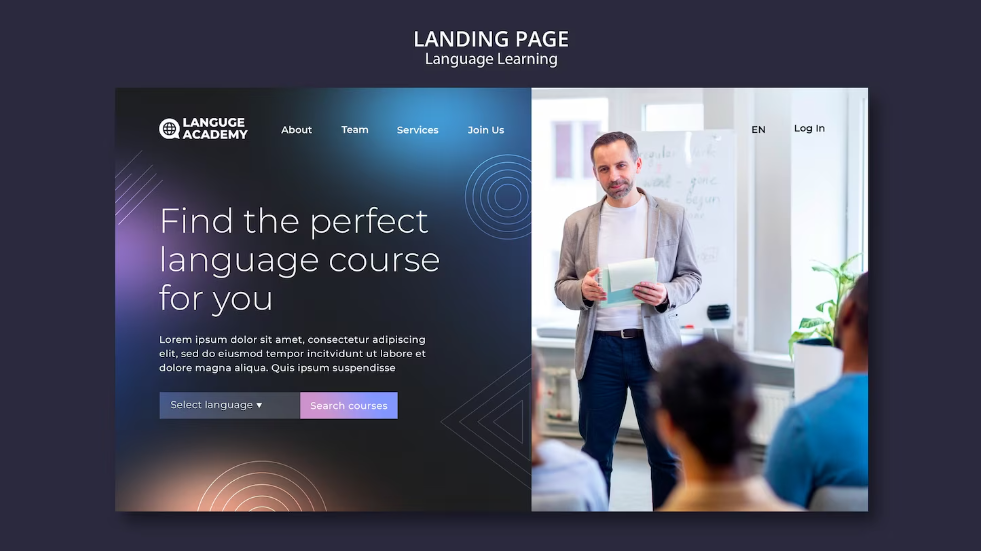 Corporate consulting website design focuses on authority, structure, and professional trust. It is commonly used by management consulting firms, financial consultants, legal advisory firms, and B2B service providers.
Key elements include:
- structured navigation;
- clear service categories;
- industry expertise pages;
- team profiles;
- client logos;
- case studies;
- trust badges;
- professional contact sections.
This type of design works best when the consulting business needs to appear established, reliable, and capable of supporting larger clients.
3. Personal Brand Consulting Website
Many consultants operate under a personal brand. In this case, the website should make the consultant’s expertise, story, credentials, and personality visible.
Important features include:
- professional headshot;
- strong founder introduction;
- clear personal positioning;
- credentials and achievements;
- speaking experience;
- client testimonials;
- insights or articles;
- direct consultation CTA.
Personal brand consulting websites work well for independent consultants, coaches, advisors, fractional executives, and specialists who sell expertise directly.
4. Consulting Website with Case Studies
Case study-focused consulting websites are powerful because they prove capability with real examples. Instead of only describing services, they show how the consultant solves problems and creates measurable outcomes.
| Case Study Section | Purpose |
|---|---|
| Client challenge | Explains the problem clearly |
| Consulting approach | Shows methodology and expertise |
| Solution delivered | Explains what was implemented |
| Results | Demonstrates commercial value |
| Client testimonial | Builds trust and credibility |
This design improves conversions because potential clients can see evidence rather than only claims.
5. Service-Focused Consulting Website
Service-focused consulting websites are built around clear explanations of what the business offers. This approach works well when the firm provides several consulting services or serves multiple client types.
Best practices include:
- dedicated service pages;
- clear service descriptions;
- benefit-driven content;
- process explanation;
- pricing guidance where appropriate;
- FAQ sections;
- CTA after each service section;
- internal links between related services.
This structure helps users understand the offer quickly and supports SEO by giving each service its own focused page.
6. Consulting Website with Strong Lead Generation
 Lead-focused consulting websites are designed to turn visitors into enquiries. They use clear CTAs, short forms, trust signals, and simple booking journeys.
Key features include:
- consultation booking form;
- visible phone or email contact;
- lead magnet download;
- sticky CTA button;
- contact section above the fold;
- newsletter signup;
- short enquiry forms;
- conversion-focused landing pages.
This design style is useful for consulting firms that rely on inbound leads, discovery calls, audits, or consultation requests.
7. Modern UX Consulting Website Design
Modern UX-focused consulting websites are built around user behaviour. The content flow, navigation, visual hierarchy, and CTA placement are all designed to reduce friction.
Strong UX elements include:
- clear navigation;
- logical content flow;
- mobile-first design;
- fast loading speed;
- readable typography;
- strong visual hierarchy;
- accessible design;
- simple enquiry journey.
Good UX makes the website easier to understand, which often improves engagement and conversion rates.
8. Consulting Website with Thought Leadership Content
Content-driven consulting websites help position the business as an expert in its sector. This approach is especially effective for SEO, authority building, and long-term lead generation.
Useful content sections include:
- blog articles;
- industry insights;
- whitepapers;
- reports;
- guides;
- resources;
- opinion pieces;
- case-led articles.
Thought leadership content helps prospects understand your expertise before they make contact. It also gives Google more context about your specialist knowledge.
9. Consulting Website with Team Focus
 Larger consulting firms often need to highlight the experience of their team. This is especially important when clients want reassurance that the business has the right people to solve complex problems.
Important elements include:
- team profiles;
- leadership section;
- consultant specialisms;
- certifications;
- industry experience;
- professional achievements;
- personal profile pages;
- LinkedIn profile links.
Team-focused design builds organisational credibility and helps users understand who they may be working with.
10. Conversion-Optimised Consulting Website
A conversion-optimised consulting website combines strong messaging, UX design, trust signals, and lead generation elements.
| Element | Purpose |
|---|---|
| Hero CTA | Encourages immediate enquiry |
| Clear service summary | Explains the offer quickly |
| Case studies | Proves results |
| Testimonials | Builds trust |
| Authority content | Shows expertise |
| Contact form | Captures leads |
| Booking CTA | Supports consultation requests |
This design approach is ideal for firms that want their website to act as a lead generation system, not just an online brochure.
Best Website Design for Consulting Business: Key Features
The best website design for consulting business should combine authority, clarity, and conversion strategy.
Essential features include:
- clear value proposition;
- professional branding;
- specific service pages;
- trust signals;
- case studies;
- testimonials;
- consultant expertise;
- strong calls to action;
- mobile optimisation;
- fast loading speed;
- SEO-friendly structure;
- simple enquiry forms.
Consulting Website Design Layout Example
| Section | Purpose |
|---|---|
| Hero section | Communicates the value proposition |
| Problem section | Shows understanding of client pain points |
| Services | Explains what the firm provides |
| Process | Shows how the consulting work is delivered |
| Case studies | Demonstrates proof |
| Testimonials | Builds trust |
| Insights | Supports authority and SEO |
| CTA | Encourages enquiry |
| Contact | Converts visitors into leads |
Common Mistakes in Consulting Website Design
Many consulting websites fail because they look professional but do not communicate value clearly enough.
Common mistakes include:
- too much text without structure;
- generic messaging;
- weak calls to action;
- no case studies;
- unclear service descriptions;
- confusing navigation;
- lack of trust signals;
- poor mobile experience;
- slow loading speed;
- no clear contact journey.
Fixing these issues can improve both user experience and lead generation.
Consulting Website Design Trends
Modern consulting website design is moving towards clarity, authority, and conversion-focused UX.
Current trends include:
- minimal layouts;
- large typography;
- soft colour palettes;
- strong white space usage;
- personal branding;
- interactive content sections;
- clear CTA placement;
- case study-led design;
- thought leadership hubs;
- mobile-first layouts.
Trends should only be used when they improve trust, clarity, or conversion performance.
How Professional Design Improves Consulting Websites
Professional consulting website design helps firms turn expertise into a clear digital experience. It improves how users perceive the business and how easily they take action.
It can help to:
- increase enquiries;
- improve credibility;
- enhance user experience;
- support SEO;
- generate qualified leads;
- build authority;
- improve brand positioning;
- increase consultation bookings.
Final Thoughts
The best consulting website designs combine clarity, credibility, and conversion-focused structure. A strong consulting website should not simply describe services. It should explain value, prove expertise, build trust, and guide visitors towards taking action.
Whether the design style is minimal, corporate, personal brand-led, or case study-focused, the goal remains the same: make it easy for potential clients to understand why your consulting business is the right choice.
Frequently Asked Questions
What makes a good consulting website design?
A good consulting website clearly explains expertise, services, results, and contact options. It should build trust and guide users towards booking a consultation or making an enquiry.
What should a consulting website include?
A consulting website should include a strong value proposition, service pages, case studies, testimonials, team or founder information, thought leadership content, and clear calls to action.
Why are case studies important for consulting websites?
Case studies show real examples of client problems, consulting solutions, and measurable outcomes. They help prove expertise and build trust.
Should consulting websites have a blog?
Yes, a blog or insights section can support SEO, demonstrate expertise, and help potential clients understand the firm’s thinking before making contact.
What is the best website design for consulting business?
The best website design for consulting business is clear, professional, mobile-friendly, fast, trust-focused, and built around lead generation.
About the Author
Serhii Kryvoviaz

Serhii Kryvoviaz is an IT entrepreneur, digital growth strategist, and the founder of Prime Lion Digital, with over 14 years of experience delivering high-impact digital solutions. He has led and executed more than 2,000 projects for businesses across the UK, Europe, and the United States, helping brands scale through advanced SEO, performance-driven websites, and strategic digital marketing. Serhii specialises in building robust digital ecosystems — combining technology, data, and content to generate sustainable growth, increased visibility, and measurable commercial results for clients in competitive markets.