Tell us a little about what you’re looking for, and our team will be in touch to discuss how we can help.
Ecommerce Conversion Optimisation to Increase Online Sales in UK
Ecommerce CRO Services Built Around Real Customer Behaviour and Measurable Revenue Growth
Many ecommerce businesses focus heavily on increasing traffic while overlooking the conversion problems already happening inside the store itself.
More visitors do not automatically create more sales.
In many ecommerce environments, customers already show buying intent but fail to complete purchases because the website creates hesitation, confusion, distrust, or unnecessary friction during the journey.
Customers abandon checkout after adding products to basket. Mobile users repeatedly reopen filters without progressing deeper into collections. Product pages generate clicks but fail to create confidence. Important delivery information is hidden too deep. Trust messaging appears too late. Search results feel frustrating. Navigation interrupts browsing momentum.
These issues quietly reduce revenue every single day.
At Prime Lion Digital, we provide advanced ecommerce conversion optimisation and ecommerce CRO services for UK businesses looking to improve ecommerce conversion, reduce friction, strengthen customer trust, and increase revenue from existing traffic.
Our approach combines behavioural analysis, UX evaluation, conversion psychology, analytics interpretation, session analysis, heatmap data, A/B testing strategy, mobile UX optimisation, and measurable ecommerce CRO implementation.
We do not guess what customers want.
We analyse how they actually behave.
Why Ecommerce Stores Lose Conversions Even With Strong Traffic
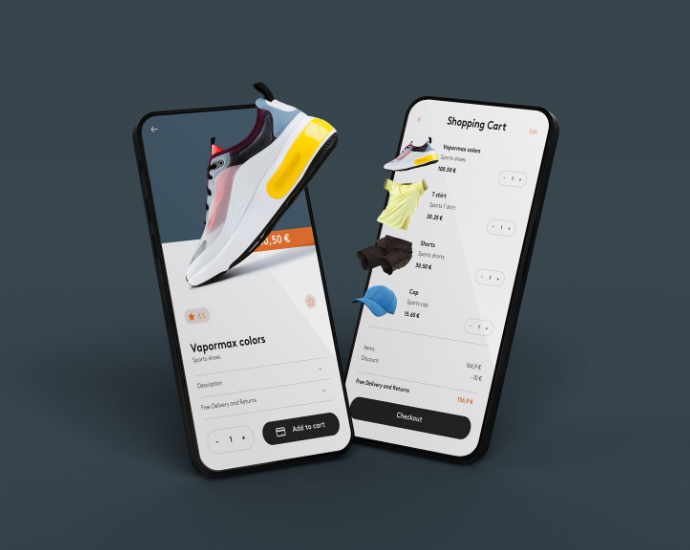 Many ecommerce stores appear visually professional while still performing poorly commercially.
One of the biggest misconceptions in ecommerce is assuming that modern design automatically creates strong conversion performance.
In reality, many stores lose sales because the customer journey slowly breaks down under friction.
We regularly audit ecommerce websites where:
• Customers abandon product pages after scrolling
Heatmaps often reveal that key buying information appears too late or below aggressive promotional sections.
• Mobile filters interrupt product discovery
Large overlay filters repeatedly remove users from the browsing flow, creating fatigue instead of helping navigation.
• Sticky add-to-cart behaviour disappears too early
Customers lose purchase continuity while comparing product details on mobile devices.
• Product grids overwhelm customers visually
Oversized badges, inconsistent image hierarchy, excessive promotions, and weak spacing reduce product comparison clarity.
• Checkout trust collapses at the final stage
Unexpected delivery costs, unclear returns messaging, aggressive upsells, and excessive form fields frequently reduce completion rates.
• Search becomes frustrating instead of helpful
Weak autocomplete behaviour, poor product relevance, and inconsistent filtering often slow product discovery significantly.
These are not simply “design issues”. They are measurable ecommerce conversion problems.
What Ecommerce Conversion Optimisation Actually Involves
Ecommerce conversion optimisation is the process of improving the customer journey based on behavioural evidence rather than assumptions.
The objective is not simply making websites look cleaner. It is understanding why customers hesitate, abandon, lose trust, or fail to complete valuable actions during the buying process.
Strong ecommerce CRO work often involves:
scroll-depth analysis, click behaviour interpretation, rage-click detection, funnel leakage analysis, mobile interaction review, product engagement tracking, session recording analysis, CTA testing, checkout drop-off review, customer segmentation, behavioural pattern identification, and UX friction diagnosis.
For example, we may identify:
users repeatedly tapping non-clickable product images, customers abandoning checkout after delivery information appears, mobile users failing to interact with hidden filters, or product pages losing engagement below oversized promotional banners.
These behavioural signals help explain why conversion rates weaken even when traffic levels remain healthy.
Best Ways to Increase Ecommerce Conversion Rates

The best ways to increase ecommerce conversion rates depend heavily on the business model, customer behaviour, traffic source quality, product complexity, and ecommerce platform structure.
However, the strongest ecommerce CRO strategies usually focus on reducing friction and improving customer confidence throughout the buying journey.
Some of the most effective CRO improvements we regularly implement include:
Improving sticky add-to-cart visibility
Especially on mobile devices where customers often scroll through reviews, specifications, or product imagery before purchasing.
Refining delivery and returns messaging placement
Poorly positioned reassurance frequently creates hesitation late in the checkout journey.
Testing CTA hierarchy and button behaviour
Small changes to CTA placement, wording, spacing, and visibility can significantly affect product interaction rates.
Reducing unnecessary checkout fields
Excessive customer input requirements regularly increase abandonment rates.
Improving search and filtering usability
Predictive search, faceted filtering, autocomplete behaviour, and product discovery logic heavily influence ecommerce engagement.
Refining product image hierarchy
Image sequencing, aspect ratios, zoom usability, and gallery behaviour strongly affect buying confidence.
Optimising mobile browsing continuity
Reducing interruptions during category browsing often improves conversion more than visual redesigns alone.
These are practical CRO improvements based on measurable customer behaviour rather than design trends.
How We Analyse Ecommerce Customer Behaviour
One of the biggest differences between basic optimisation and advanced ecommerce CRO is the depth of behavioural analysis.
We regularly use:
heatmaps, session recordings, funnel analysis, interaction tracking, scroll analysis, click-depth review, rage-click interpretation, customer segmentation, mobile usability review, and behavioural analytics to identify where customers struggle during the buying process.
This often reveals problems businesses do not initially realise exist.
For example:
customers repeatedly trying to zoom product imagery that does not support interaction, users abandoning category pages after aggressive popup interruptions, or mobile visitors failing to continue browsing because filters dominate too much screen space.
Behavioural analysis helps us understand:
not only what users do, but why they stop progressing.
Ecommerce Checkout Optimisation and Cart Abandonment Reduction
Checkout optimisation is one of the most commercially valuable areas of ecommerce CRO.
Customers reaching checkout already demonstrate strong purchase intent. Even relatively small friction points can therefore create significant revenue loss.
We regularly optimise checkout environments by improving:
field structure, payment clarity, delivery messaging, guest checkout accessibility, mobile spacing, trust positioning, payment reassurance, CTA visibility, form validation behaviour, checkout speed, and distraction reduction.
In many ecommerce stores, customers abandon checkout not because they changed their mind about the product, but because uncertainty appeared too late in the journey.
Examples include:
unexpected delivery costs, unclear returns information, weak payment reassurance, intrusive account creation requests, or excessive promotional interruptions during purchase completion.
Reducing these points of hesitation can create measurable conversion improvements without increasing traffic.
Why Mobile Ecommerce Conversion Rates Often Collapse

Many ecommerce stores technically work on mobile devices while still creating poor mobile shopping experiences.
Mobile ecommerce users behave differently from desktop users.
They browse faster, scan more aggressively, compare products rapidly, and abandon friction almost immediately.
Common mobile CRO problems include:
oversized menus, weak thumb-zone positioning, difficult filtering, slow product galleries, hidden CTAs, poor sticky add-to-cart behaviour, excessive popups, small tap targets, and overloaded checkout forms.
We regularly improve mobile ecommerce conversion performance through:
mobile-first UX refinement, touch interaction optimisation, CTA repositioning, faster product scanning, simplified navigation, improved checkout continuity, and reduced interaction fatigue.
In many ecommerce environments, improving mobile usability creates stronger commercial gains than increasing advertising spend.
A/B Testing and Measurable CRO Improvements
Strong CRO decisions should be validated wherever meaningful testing volume exists.
Our ecommerce CRO process may involve testing:
CTA wording, button positioning, delivery messaging placement, product image hierarchy, sticky add-to-cart visibility, checkout layouts, urgency positioning, trust indicators, navigation structures, product card design, search behaviour, and mobile UX changes.
For example, relatively small changes such as:
moving delivery reassurance above the fold, reducing checkout fields from twelve to seven, or repositioning customer reviews closer to purchase CTAs can create measurable behavioural improvements.
We prioritise CRO implementation based on:
commercial impact potential, behavioural evidence, technical complexity, and measurable opportunity.
Why Generic Ecommerce UX Often Hurts Conversions
Many ecommerce websites follow visual trends that quietly damage conversion performance.
We frequently see:
oversized hero banners hiding products, excessive animations slowing browsing flow, intrusive popup strategies interrupting engagement, overloaded category layouts, weak trust hierarchy, and promotional messaging that overwhelms product clarity.
Good ecommerce UX should help customers make decisions faster and with greater confidence.
Not louder.
This is one of the biggest differences between trend-driven ecommerce design and commercially effective conversion optimisation.
Product Page CRO and Conversion Psychology
Product pages should answer customer hesitation before hesitation becomes abandonment.
Many ecommerce stores unintentionally weaken conversion performance through poor hierarchy, unclear messaging, weak visual structure, hidden trust signals, or overwhelming product layouts.
We regularly optimise:
product imagery, review visibility, delivery reassurance, FAQ placement, comparison clarity, product specifications, mobile hierarchy, CTA positioning, social proof, urgency messaging, and benefit communication.
The objective is helping customers understand:
what the product is, why it is valuable, whether it can be trusted, how quickly it ships, and why purchasing feels commercially safe.
Strong ecommerce CRO reduces hesitation before customers consciously recognise it.
Our Ecommerce Conversion Optimisation Process
Every CRO project begins with behavioural and commercial analysis rather than immediate design changes.
We first review:
analytics data, funnel leakage, customer segmentation, session recordings, mobile behaviour, product interaction patterns, traffic quality, checkout abandonment, and conversion bottlenecks.
From there, we prioritise improvements based on:
commercial opportunity, implementation complexity, behavioural evidence, and measurable conversion impact.
Optimisation work may include:
UX refinement, checkout restructuring, CTA optimisation, navigation simplification, search improvements, filtering refinement, mobile UX optimisation, trust hierarchy improvements, behavioural testing, and performance improvements.
CRO is not usually one dramatic change.
It is often the cumulative effect of many smaller improvements working together across the ecommerce journey.
Case Study — Fashion Ecommerce Checkout Recovery
Challenge: A UK fashion ecommerce store generated healthy traffic from paid campaigns but struggled with high mobile cart abandonment and weak checkout completion.
Session analysis revealed repeated hesitation around delivery messaging, weak sticky add-to-cart continuity, and excessive friction during mobile checkout.
Solution: We simplified checkout structure, improved mobile spacing, repositioned trust signals, reduced unnecessary checkout fields from eleven to six, strengthened delivery reassurance visibility, and improved sticky add-to-cart behaviour across product pages.
Results within 4 months:
- mobile conversion rate increased by 42%
- checkout abandonment reduced by 29%
- mobile revenue increased by 37%
- returning customer purchases improved steadily
- customer hesitation during checkout reduced significantly
Case Study — Electronics Ecommerce CRO Optimisation
Challenge: An electronics retailer experienced weak product engagement despite strong organic traffic growth.
Heatmaps and interaction analysis revealed that oversized comparison sections, weak product hierarchy, and poor search autocomplete behaviour were slowing product discovery.
Solution: We restructured product hierarchy, refined product image sequencing, improved search behaviour, strengthened CTA visibility, simplified comparison UX, and improved mobile browsing continuity.
Results over 5 months:
- product engagement increased by 34%
- average order value improved by 18%
- search interaction improved substantially
- bounce rate reduced by 21%
- customers reached product pages faster across large catalogues
Case Study — Lifestyle Ecommerce Funnel Optimisation
Challenge: A lifestyle ecommerce brand experienced conversion leakage across category pages, product pages, and checkout despite stable traffic growth.
Behavioural analysis revealed scroll abandonment below promotional sections, weak trust visibility, and poor mobile CTA continuity.
Solution: We redesigned category structure, improved trust hierarchy, refined CTA positioning, simplified product layouts, reduced popup interruptions, and implemented structured CRO testing.
Results within 6 months:
- overall ecommerce conversion rate improved by 38%
- mobile engagement increased significantly
- category abandonment reduced by 24%
- checkout completion improved steadily
- overall customer journey friction reduced across the funnel
Industries We Support
Our ecommerce conversion optimisation services support a wide range of ecommerce sectors including:
fashion ecommerce, electronics retailers, lifestyle brands, beauty ecommerce, subscription businesses, home and furniture retailers, B2B ecommerce companies, and operationally complex ecommerce environments with large product catalogues or advanced customer journeys.
Each CRO strategy is adapted around the specific customer behaviour, product complexity, traffic sources, and operational structure of the business.
Frequently Asked Questions
Why do users abandon checkout after adding products?
Common reasons include unexpected delivery costs, weak trust signals, slow checkout UX, excessive form fields, intrusive account creation requirements, unclear returns information, or mobile usability problems.
Why do ecommerce product pages fail to convert?
Product pages often fail because of weak hierarchy, unclear messaging, poor imagery, hidden trust information, weak CTAs, slow mobile UX, or overwhelming layouts that create hesitation during the buying process.
Can CRO outperform increasing advertising spend?
Yes. Improving ecommerce conversion performance often creates stronger commercial gains than increasing traffic volume alone because more existing visitors complete purchases successfully.
What causes mobile ecommerce conversion drop-offs?
Common causes include poor filtering UX, weak sticky add-to-cart visibility, slow mobile interactions, difficult checkout flows, small touch targets, excessive interruptions, and poor browsing continuity.
Why do ecommerce filters sometimes reduce engagement?
Overly aggressive filter overlays often interrupt browsing momentum, hide products from view, and increase customer fatigue, particularly on mobile devices.
How long does ecommerce CRO take to show results?
Some improvements may produce measurable impact within weeks, but strong CRO should generally be treated as an ongoing optimisation process involving analysis, testing, implementation, and refinement over time.
Do you support A/B testing?
Yes. We support structured A/B testing where traffic levels and analytics quality allow statistically meaningful behavioural testing.
Do you optimise mobile ecommerce conversions?
Yes. Mobile-first CRO is a major part of our optimisation strategy because a large percentage of ecommerce traffic and purchases now happen on mobile devices.
Can CRO improve revenue without increasing traffic?
Yes. Strong conversion optimisation helps more users complete purchases successfully, increasing revenue from existing traffic levels.
Do you provide ongoing ecommerce CRO support?
Yes. Ecommerce CRO works best through continuous behavioural analysis, testing, optimisation, and refinement as customer behaviour evolves over time.
Looking to Improve Ecommerce Conversion and Increase Online Sales?
If your ecommerce store generates traffic but struggles with abandoned baskets, weak mobile performance, low checkout completion, poor product engagement, or inconsistent conversion rates, the underlying problem may be behavioural friction rather than traffic volume.
Prime Lion Digital provides advanced ecommerce CRO and conversion optimisation services for UK businesses looking to improve ecommerce conversion, reduce customer hesitation, strengthen trust, and increase revenue through data-driven ecommerce optimisation.
Contact Prime Lion Digital today to discover how ecommerce CRO can improve your conversion performance and unlock more value from your existing traffic.